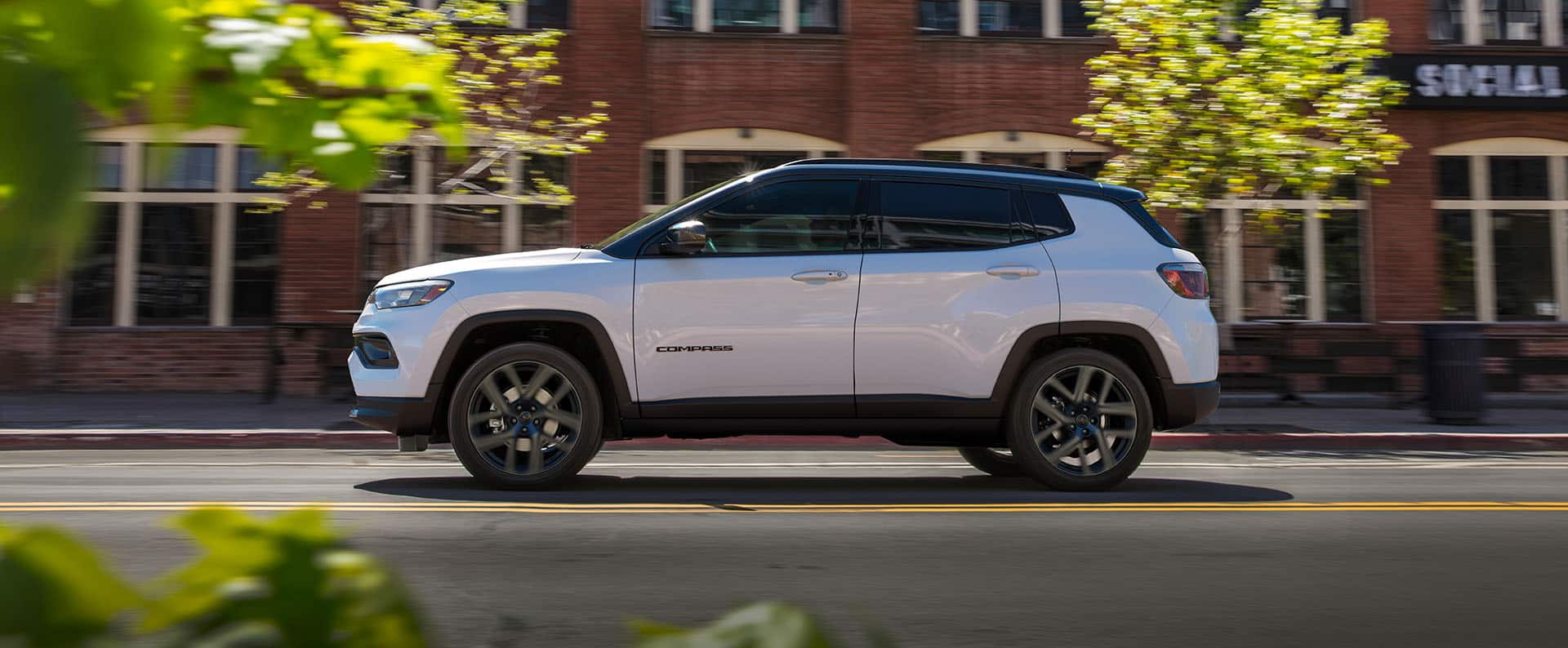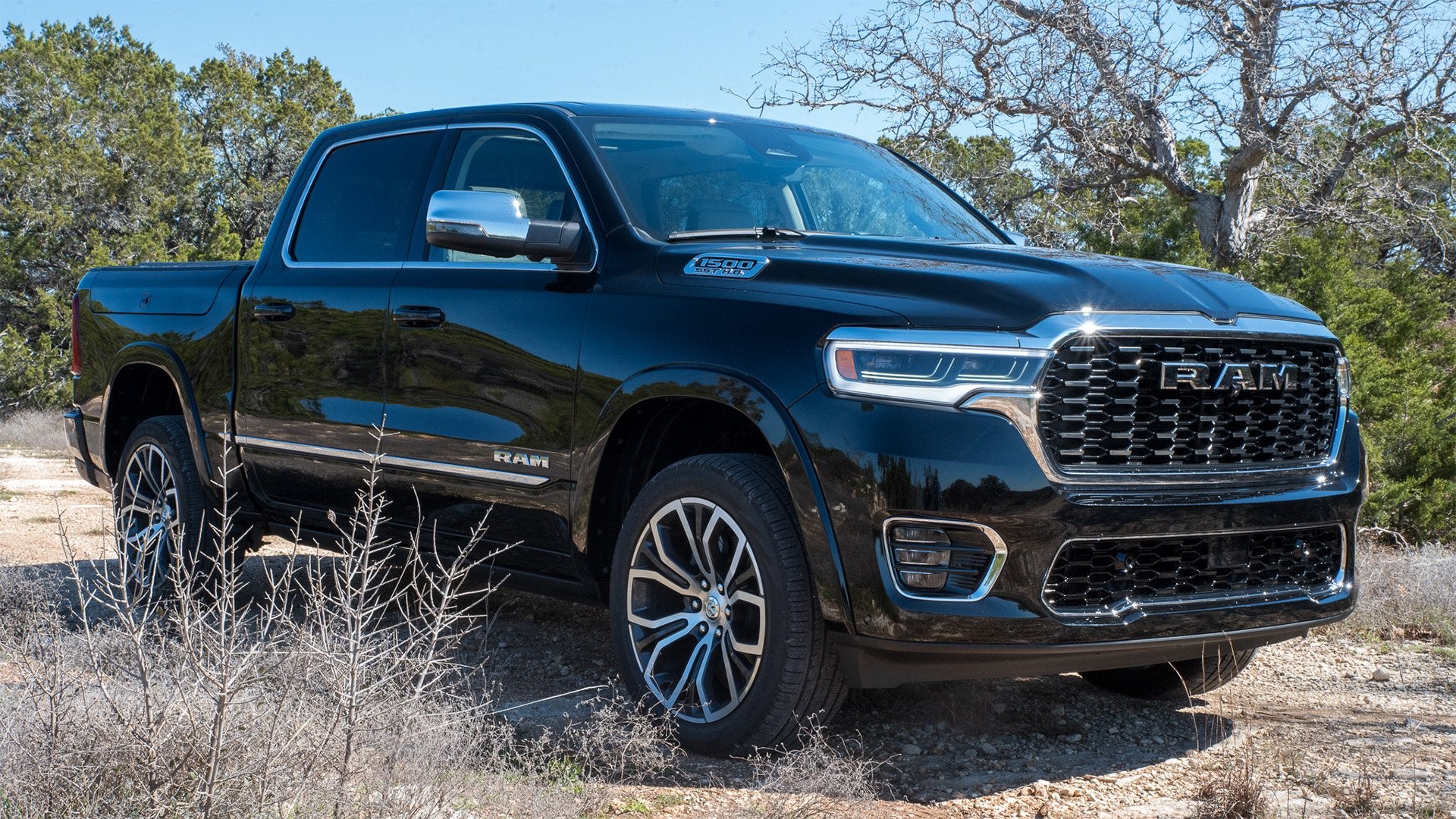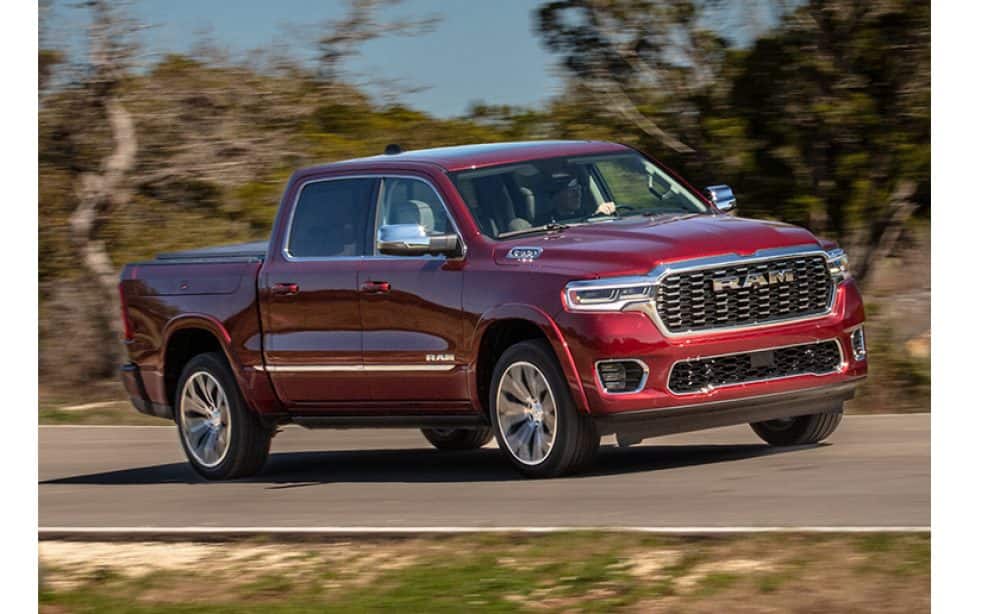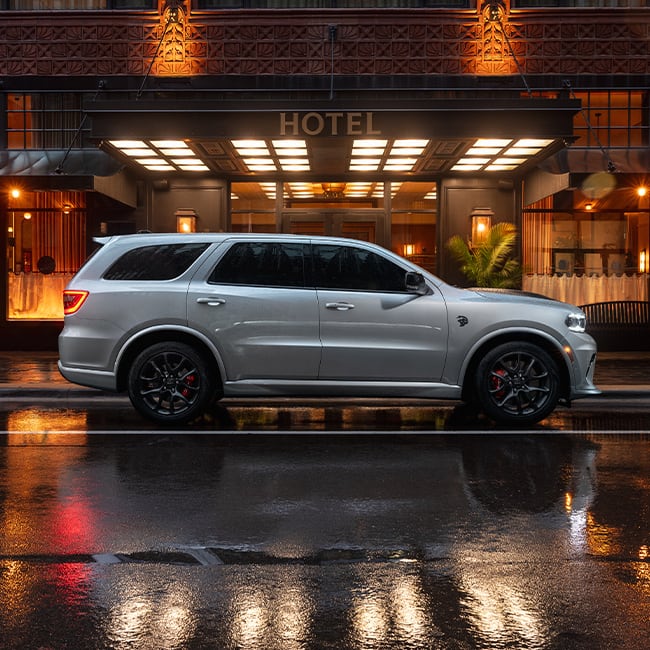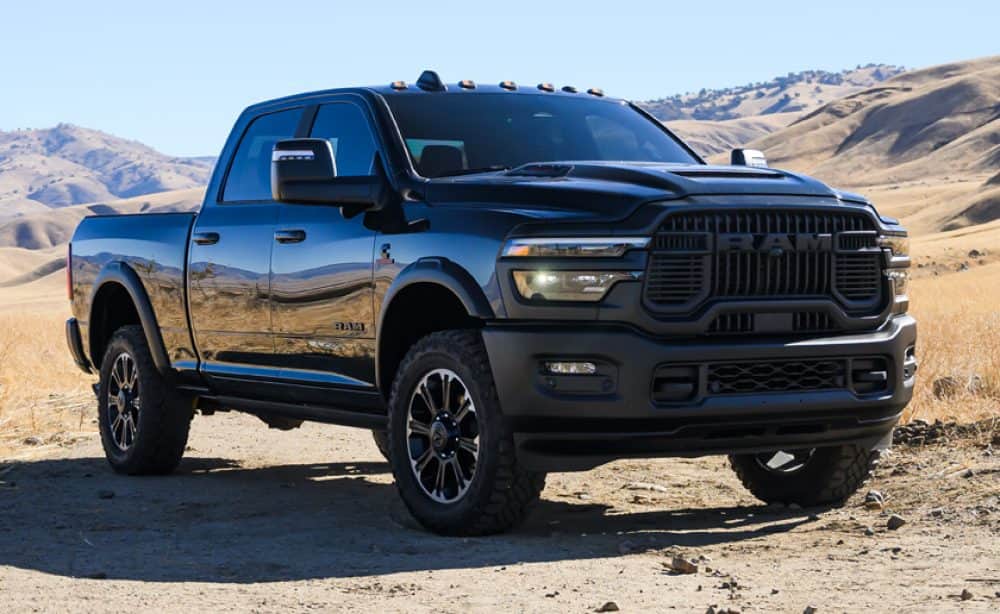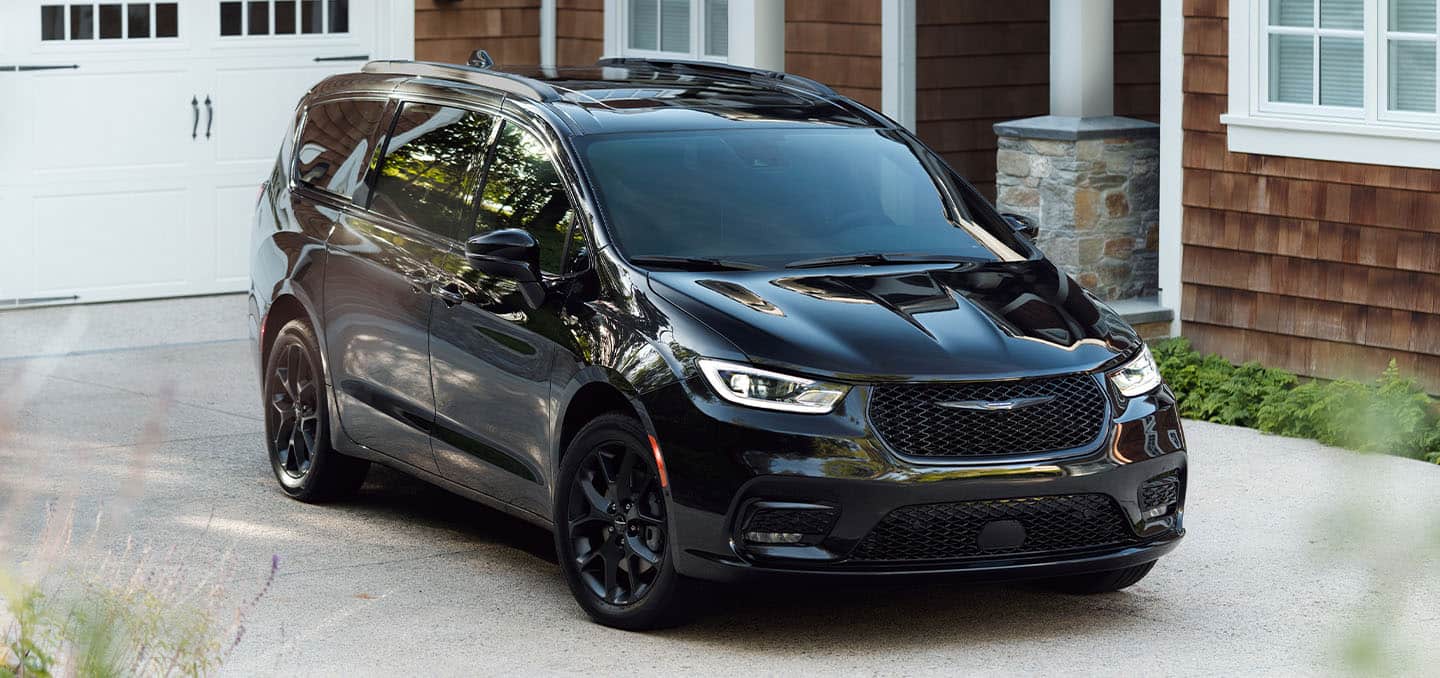





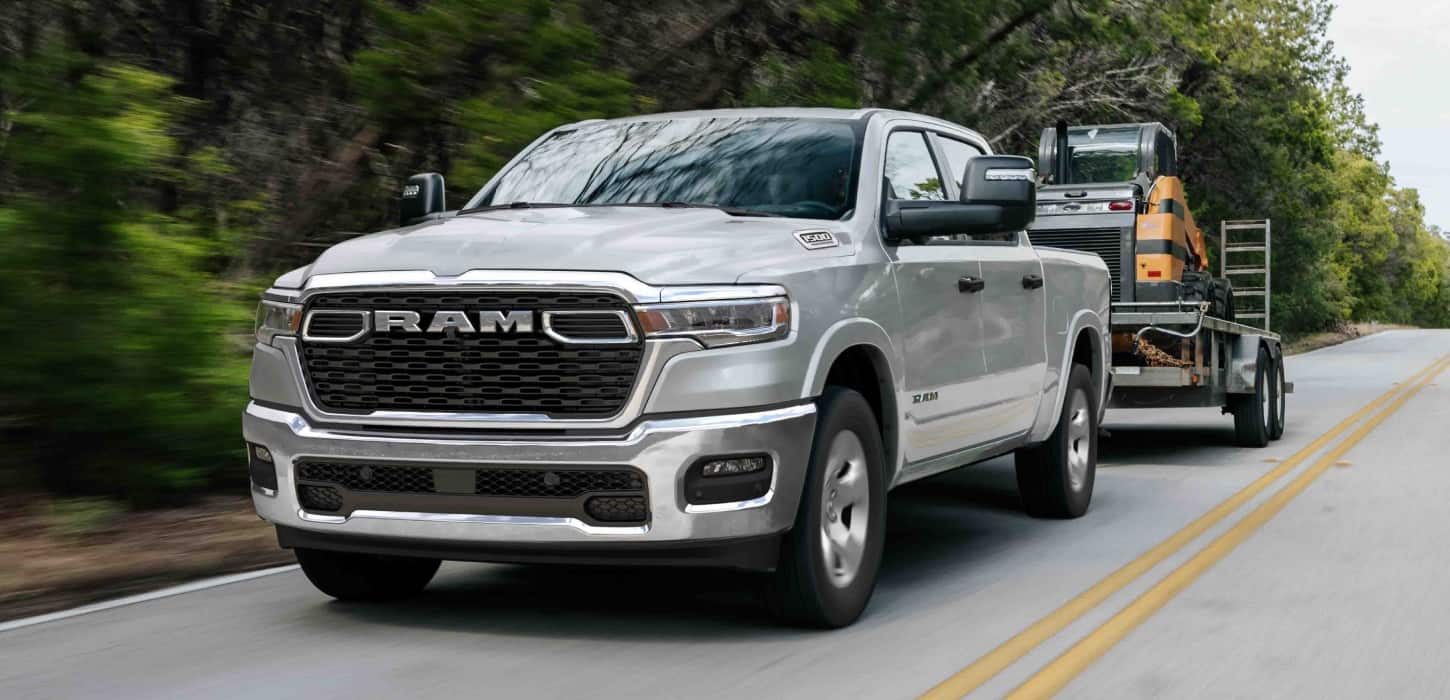
Truck vs SUV in Texas: What Actually Holds Up Over Time? If you live in Graham, TX, choosing between a truck and an SUV is not just about preference—it is about what actually works over time. Because in North Texas, your vehicle is not used lightly. You are dealing with: Long stretches of highway like US-380 Daily drives across town and nearby areas County roads that are not always smooth Heat, dust, and real-world wear That is why the truck vs SUV decision matters more here than in most places. If you are currently browsing vehicles in Graham, TX, this guide will break down what actually holds up—not just what looks good on paper. The Biggest Misunderstanding About Trucks and SUVs A lot of buyers assume that modern trucks and SUVs overlap enough that the decision does not really matter. But over time, the differences become very clear. Trucks are built for heavier use and flexibility SUVs are built for comfort and consistency Both are capable—but they serve different long-term needs. How People Actually Use Their Vehicles in Graham Before deciding, it helps to look at real usage—not ideal scenarios. Most drivers in Graham use their vehicle for: Daily commuting Running errands across town Driving between nearby cities like Olney and Breckenridge Weekend trips to places like Possum Kingdom Lake Occasional hauling, towing, or moving equipment This mix of uses is where the truck vs SUV decision becomes important. Truck Ownership: Built for Flexibility Trucks are designed to handle more demanding situations—and that shows over time. Even if you are not using it every day for work, owning a truck changes how you approach your vehicle. You stop worrying about whether it can handle something You have room for larger loads when needed You can tow without hesitation Over time, that flexibility becomes one of the biggest advantages of truck ownership. SUV Ownership: Built for Comfort and Routine SUVs are designed for a different purpose. They focus on: Passenger comfort Interior space Smoother everyday driving For drivers who primarily stay within predictable routines, SUVs can be the better fit. They tend to feel easier in town and more consistent in daily driving. Myth vs Reality: Durability Myth: SUVs and trucks hold up the same Reality: Trucks are still built for heavier workloads. In North Texas conditions, trucks tend to: Handle stress from hauling better Stay more consistent under heavier use Adapt better to changing conditions SUVs are durable—but they are not built for the same level of workload. Myth vs Reality: Comfort Myth: Trucks are less comfortable Reality: Modern trucks have improved significantly. Many now offer: Smoother rides than older models Better seating and interior quality Less cabin noise during long drives This becomes noticeable on longer routes across highways and rural roads. Myth vs Reality: Practicality Myth: SUVs are always more practical Reality: It depends on your needs. SUVs are better for enclosed cargo and passengers Trucks are better for larger, more flexible loads In a place like Graham, that flexibility often becomes more useful over time. Long-Term Ownership Differences After a few years, the differences become more obvious. Truck Owners Tend to Notice: More flexibility in how they use their vehicle Less limitation when needs change More confidence in capability SUV Owners Tend to Notice: Consistent comfort Ease of daily driving Limitations when needs expand Neither is wrong—it depends on your priorities. Maintenance and Service Reality All vehicles require maintenance, but usage changes the experience. In North Texas: Trucks may see heavier wear due to workload SUVs may see more consistent daily use Having access to a local service center in Graham makes a big difference regardless of what you choose. Resale Value in Texas In Texas markets, trucks tend to hold value extremely well. Because of demand: Trucks sell quickly Trucks retain value longer Trucks appeal to more buyers SUVs can also hold value, but it varies more depending on the model and demand. So Which One Holds Up Better? The answer depends on what “holding up” means to you. If you prioritize: Durability Flexibility Capability A truck is usually the better choice. If you prioritize: Comfort Ease of driving Passenger space An SUV may be the better fit. In Graham, many drivers lean toward trucks because they provide more overall capability for changing needs. What Most Buyers Realize Later After owning their vehicle for a while, many buyers come to the same conclusion: They needed more flexibility than expected Their usage changed over time Capability mattered more than they thought This is why the initial decision is so important. How to Choose the Right One If you are deciding, focus on: Your actual daily use How often your needs change How long you plan to keep the vehicle Whether flexibility matters more than comfort If your lifestyle includes even occasional hauling or towing, a truck often becomes the better long-term decision. Take the Next Step The best way to decide is to compare both in person. Explore available inventory in Graham and see what fits your life. You can also review options through the finance center to understand your buying options. Because in North Texas, the right vehicle is not just about today—it is about what holds up over time. FAQs Is a truck better than an SUV in Texas? For flexibility and capability, trucks often work better. For comfort and daily driving, SUVs can be a better fit. Do trucks last longer than SUVs? Trucks are typically built to handle heavier use, which can make them more durable over time. Are SUVs easier to drive daily? Yes, especially in town. They tend to feel more maneuverable and comfortable. Which holds value better? In Texas markets, trucks generally retain value very well due to demand. Where can I compare trucks and SUVs in Graham, TX? You can visit Holiday CDJR in Graham to compare vehicles and find the right fit.

What Is The Right Time To Trade In Your Vehicle?
When Is the Right Time to Trade In Your Vehicle in Texas? If you drive in Graham, TX, you’ve probably asked yourself this at some point: “Am I trading in my vehicle at the right time… or am I waiting too long?” It’s one of the most common questions—and one of the most misunderstood. Because most drivers don’t realize this: Timing your trade-in matters just as much as what you buy next. If you’re currently browsing inventory in Graham, TX, understanding when to trade can make a significant difference in both value and long-term cost. The Biggest Mistake: Waiting Until You “Need” to Trade Most drivers wait too long. They wait until: The vehicle starts needing repairs Mileage gets high Performance starts to decline They feel forced to replace it At that point, your trade-in value has already dropped. Reality: The best time to trade is usually before you feel like you have to. Why Timing Matters More in Texas In North Texas, vehicles go through more wear than many other regions. Longer driving distances High heat Road conditions that vary between highway and rural More frequent use for hauling or towing This accelerates wear over time. That means waiting too long can cost you more than you expect. The Mileage Factor: Where Value Starts to Drop Mileage plays a major role in trade-in value. There are key thresholds where value tends to decrease faster: 50,000 miles 75,000 miles 100,000 miles Once you cross these points: Buyer demand can decrease Dealers factor in higher reconditioning costs Your trade value may drop more quickly Smart strategy: Consider trading before hitting major mileage milestones. Condition Matters More Than Most People Think Many drivers assume mileage is the only factor—but condition plays a major role. This includes: Interior wear Exterior condition Tire quality Maintenance history Small issues can add up when determining value. Staying on top of maintenance through a local service center in Graham helps protect your trade-in value over time. Market Timing: When Demand Works in Your Favor Another factor most buyers overlook is market demand. In Texas, trucks and SUVs are always in demand—but certain times can be stronger: Early spring (March–May) End-of-year buying season When inventory levels shift March is a particularly strong time because: New inventory begins to arrive Buyers re-enter the market after winter Trade demand increases This creates an opportunity for stronger trade values. Repair vs Trade: The Decision Point At some point, every vehicle reaches a decision point: Do you repair it—or trade it? Common signs you may be at that point: Repairs are becoming more frequent Costs are increasing You’re unsure about long-term reliability In many cases, trading before major repairs can save money in the long run. How Trade Timing Impacts Your Next Purchase Trading at the right time does more than just increase value—it improves your overall buying position. Higher trade value = lower overall cost Better equity position More flexibility in choosing your next vehicle This is where timing becomes part of your overall strategy—not just a separate decision. Financing and Trade-In Strategy Combining your trade-in with the right financing approach can make a big difference. You can: Lower your monthly payment Reduce your total loan amount Improve overall affordability Before visiting, it can help to explore options through the finance center to understand where you stand. What Smart Buyers Do Differently Drivers who maximize their trade-in value usually follow a different approach. They monitor mileage thresholds They stay ahead of maintenance issues They trade before major depreciation hits They pay attention to market timing They don’t wait until it’s obvious—they act before it is. Local Example: How This Plays Out in Graham Let’s say you drive regularly between Graham and nearby areas like Jacksboro or Breckenridge. Over time: Mileage builds quickly Wear adds up faster than expected Maintenance needs increase If you wait until something breaks, your trade value is already reduced. If you act earlier, you keep more of that value. That difference can be thousands of dollars. When Is the Right Time to Trade? There is no single perfect answer—but there are clear indicators. You are likely in the right window if: Your vehicle is still in good condition You are approaching a mileage milestone You want to avoid upcoming repairs Market demand is strong If multiple of these apply, it may be time to consider trading. Take the Next Step If you are thinking about trading, the best step is to start exploring your options now. Browse available inventory in Graham and see what fits your needs. You can also visit Holiday CDJR in Graham, TX to evaluate your current vehicle and understand its trade-in value in today’s market. Because the best time to trade is not when your vehicle forces you to—it is when you still have control over the decision. FAQs When should I trade in my vehicle? Ideally before major repairs or high mileage thresholds, when your vehicle still holds strong value. Does mileage affect trade-in value? Yes. Higher mileage can significantly reduce value, especially after key thresholds. Is spring a good time to trade in? Yes. March is often a strong time due to increased demand and new inventory availability. Should I repair my car before trading it? It depends on the cost. Major repairs are often better avoided by trading earlier. Where can I trade in my vehicle in Graham, TX? You can visit Holiday CDJR in Graham to evaluate your trade and explore your options.